
Midterm Project Research
October 9, 2023
October 9, 2023
v 5.1
v 5.1
Midterm Project Research
October 9, 2023
v 5.1
Exploring the Intersection of Fashion and Functionality
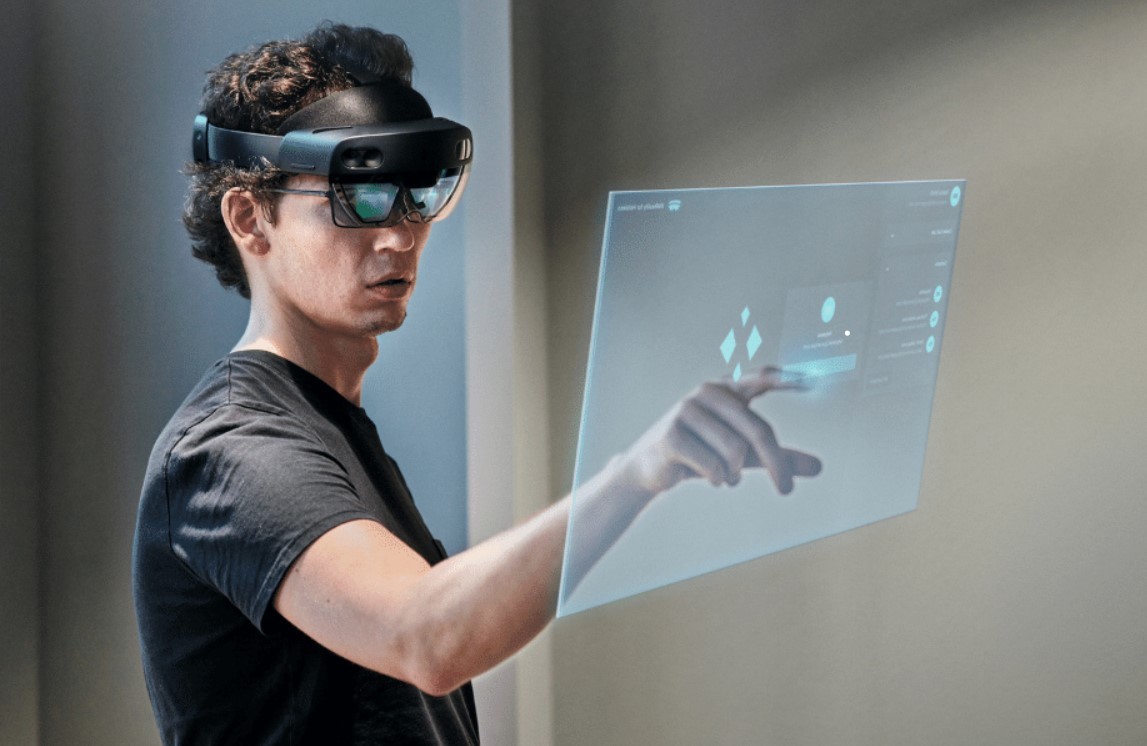
In the confluence of aesthetics and technology, wearable electronics emerge as a fascinating domain to explore. My journey into the realm of wearables, particularly focused on the head, neck, and face, embarks with a meticulous investigation into projects that resonate with my interests and technical aspirations. These are three captivating projects that could serve as a springboard for my final venture in the wearables class.
1. Smart Glasses: Bridging Visual Acuity with Digital Intelligence
The Smart Glasses V2 project embodies a simple yet effective way of integrating digital notifications into everyday eyewear. Using a Raspberry Pi, this project allows for functionalities such as displaying time/date, temperature, playing music, taking pictures/videos, sending SMS, uploading photos/videos to Dropbox, answering any question, and solving math problems. I want to create a simpler version where I am able to receive notifications from the phone, get updated with current time/date, temperature, music playing, etc.
Motivation: The sleek appearance of smart glasses has always caught my eye. Although my project doesn't delve into Augmented Reality (AR) like the Hololens, the essence of integrating technology with eyewear is captivating.
Confidence: With a foundational understanding of microcontrollers and some experience with Arduino, I am poised to tackle the hardware-related aspects of this project. The open-source nature of the project further provides a solid base for exploration and improvement.
Exploration: The challenge of integrating a transparent display coupled with a magnifying glass to ensure text visibility at such close proximity to the eye is a unique aspect I look forward to exploring.
Concerns: The task of housing the battery and managing the wiring within the sleek frame of the glasses while maintaining a comfortable fit is a significant aspect that requires meticulous planning and design exploration.
2. Emotive Electronics: Crafting a Communicative Pendant
The Electronics Necklace project explores the creation of a micro-controller-powered necklace, aiming for a compact design. The creator's innovation lies in relocating the microcontroller and battery to a concealed area behind the neck, connecting to the pendant via a headphone cable. This setup allows for power and data lines to run from the microcontroller to the pendant, showcasing a unique way of designing wearables with basic electronic components. I want to integrate more sensors and functionality in a way that this pendant is able to respond to or showcase emotions.
Motivation: The idea of embodying emotions or functional indications within a pendant piqued my interest. This project serves as a stepping stone to experiment with how jewelry can interact with the wearer and the environment.
Confidence: The basic electronic components utilized in the project are within my area of familiarity. Moreover, the project’s simplistic yet innovative approach aligns well with my current skill set, providing a solid foundation for exploration and implementation.
Exploration: Venturing into how to seamlessly integrate sensors to capture emotions or other triggers and translate them into visual indications on the pendant is an exciting prospect.
Concerns: Balancing aesthetics with the electronic functionality to ensure the pendant remains appealing while being functionally robust is a consideration that warrants thorough exploration.
3. Sensory Headgear: Navigating the World with Infrared Insight
The Person-Sensing Head Gear project was crafted as part of an introductory Interactive Electronic Art course, employing proximity sensors to detect a person's presence behind the head gear. Upon detection, the LED strip lights alter color from green to red, providing a visual cue to the wearer about the person's proximity and general direction, with each sensor controlling three of the 12 lights on the strip. Even though I do not exactly plan on making this project, I wanted to integrate something in my cap and the project looked like a great point of reference.
Motivation: The idea of designing headgear that can interact with or respond to its surroundings intrigues me. This project presents an avenue to explore how wearables can extend human perception and engagement with the environment.
Confidence: My familiarity with infrared technology and prior experience with sensors provide a sturdy foundation to address the technical facets this project entails.
Exploration: The endeavor of creating a comfortable headgear, while accommodating the required electronics in a manner that resonates with my aesthetic preferences, is an exhilarating yet demanding journey.
Concerns: Ensuring consistent and accurate operation of the headgear across varying lighting and environmental scenarios is a technical challenge that necessitates thorough examination and refinement.
These projects not only align with my personal interests in wearables but also present a diverse array of materials, technologies, and fabrication skills to explore. As I venture forth into the conceptualization and realization of my final project, the insights and skills garnered from these explorations will undoubtedly serve as invaluable cornerstones in my wearables odyssey.
Exploring the Intersection of Fashion and Functionality
In the confluence of aesthetics and technology, wearable electronics emerge as a fascinating domain to explore. My journey into the realm of wearables, particularly focused on the head, neck, and face, embarks with a meticulous investigation into projects that resonate with my interests and technical aspirations. These are three captivating projects that could serve as a springboard for my final venture in the wearables class.
1. Smart Glasses: Bridging Visual Acuity with Digital Intelligence
The Smart Glasses V2 project embodies a simple yet effective way of integrating digital notifications into everyday eyewear. Using a Raspberry Pi, this project allows for functionalities such as displaying time/date, temperature, playing music, taking pictures/videos, sending SMS, uploading photos/videos to Dropbox, answering any question, and solving math problems. I want to create a simpler version where I am able to receive notifications from the phone, get updated with current time/date, temperature, music playing, etc.
Motivation: The sleek appearance of smart glasses has always caught my eye. Although my project doesn't delve into Augmented Reality (AR) like the Hololens, the essence of integrating technology with eyewear is captivating.
Confidence: With a foundational understanding of microcontrollers and some experience with Arduino, I am poised to tackle the hardware-related aspects of this project. The open-source nature of the project further provides a solid base for exploration and improvement.
Exploration: The challenge of integrating a transparent display coupled with a magnifying glass to ensure text visibility at such close proximity to the eye is a unique aspect I look forward to exploring.
Concerns: The task of housing the battery and managing the wiring within the sleek frame of the glasses while maintaining a comfortable fit is a significant aspect that requires meticulous planning and design exploration.
2. Emotive Electronics: Crafting a Communicative Pendant
The Electronics Necklace project explores the creation of a micro-controller-powered necklace, aiming for a compact design. The creator's innovation lies in relocating the microcontroller and battery to a concealed area behind the neck, connecting to the pendant via a headphone cable. This setup allows for power and data lines to run from the microcontroller to the pendant, showcasing a unique way of designing wearables with basic electronic components. I want to integrate more sensors and functionality in a way that this pendant is able to respond to or showcase emotions.
Motivation: The idea of embodying emotions or functional indications within a pendant piqued my interest. This project serves as a stepping stone to experiment with how jewelry can interact with the wearer and the environment.
Confidence: The basic electronic components utilized in the project are within my area of familiarity. Moreover, the project’s simplistic yet innovative approach aligns well with my current skill set, providing a solid foundation for exploration and implementation.
Exploration: Venturing into how to seamlessly integrate sensors to capture emotions or other triggers and translate them into visual indications on the pendant is an exciting prospect.
Concerns: Balancing aesthetics with the electronic functionality to ensure the pendant remains appealing while being functionally robust is a consideration that warrants thorough exploration.
3. Sensory Headgear: Navigating the World with Infrared Insight
The Person-Sensing Head Gear project was crafted as part of an introductory Interactive Electronic Art course, employing proximity sensors to detect a person's presence behind the head gear. Upon detection, the LED strip lights alter color from green to red, providing a visual cue to the wearer about the person's proximity and general direction, with each sensor controlling three of the 12 lights on the strip. Even though I do not exactly plan on making this project, I wanted to integrate something in my cap and the project looked like a great point of reference.
Motivation: The idea of designing headgear that can interact with or respond to its surroundings intrigues me. This project presents an avenue to explore how wearables can extend human perception and engagement with the environment.
Confidence: My familiarity with infrared technology and prior experience with sensors provide a sturdy foundation to address the technical facets this project entails.
Exploration: The endeavor of creating a comfortable headgear, while accommodating the required electronics in a manner that resonates with my aesthetic preferences, is an exhilarating yet demanding journey.
Concerns: Ensuring consistent and accurate operation of the headgear across varying lighting and environmental scenarios is a technical challenge that necessitates thorough examination and refinement.
These projects not only align with my personal interests in wearables but also present a diverse array of materials, technologies, and fabrication skills to explore. As I venture forth into the conceptualization and realization of my final project, the insights and skills garnered from these explorations will undoubtedly serve as invaluable cornerstones in my wearables odyssey.
Exploring the Intersection of Fashion and Functionality
In the confluence of aesthetics and technology, wearable electronics emerge as a fascinating domain to explore. My journey into the realm of wearables, particularly focused on the head, neck, and face, embarks with a meticulous investigation into projects that resonate with my interests and technical aspirations. These are three captivating projects that could serve as a springboard for my final venture in the wearables class.
1. Smart Glasses: Bridging Visual Acuity with Digital Intelligence
The Smart Glasses V2 project embodies a simple yet effective way of integrating digital notifications into everyday eyewear. Using a Raspberry Pi, this project allows for functionalities such as displaying time/date, temperature, playing music, taking pictures/videos, sending SMS, uploading photos/videos to Dropbox, answering any question, and solving math problems. I want to create a simpler version where I am able to receive notifications from the phone, get updated with current time/date, temperature, music playing, etc.
Motivation: The sleek appearance of smart glasses has always caught my eye. Although my project doesn't delve into Augmented Reality (AR) like the Hololens, the essence of integrating technology with eyewear is captivating.
Confidence: With a foundational understanding of microcontrollers and some experience with Arduino, I am poised to tackle the hardware-related aspects of this project. The open-source nature of the project further provides a solid base for exploration and improvement.
Exploration: The challenge of integrating a transparent display coupled with a magnifying glass to ensure text visibility at such close proximity to the eye is a unique aspect I look forward to exploring.
Concerns: The task of housing the battery and managing the wiring within the sleek frame of the glasses while maintaining a comfortable fit is a significant aspect that requires meticulous planning and design exploration.
2. Emotive Electronics: Crafting a Communicative Pendant
The Electronics Necklace project explores the creation of a micro-controller-powered necklace, aiming for a compact design. The creator's innovation lies in relocating the microcontroller and battery to a concealed area behind the neck, connecting to the pendant via a headphone cable. This setup allows for power and data lines to run from the microcontroller to the pendant, showcasing a unique way of designing wearables with basic electronic components. I want to integrate more sensors and functionality in a way that this pendant is able to respond to or showcase emotions.
Motivation: The idea of embodying emotions or functional indications within a pendant piqued my interest. This project serves as a stepping stone to experiment with how jewelry can interact with the wearer and the environment.
Confidence: The basic electronic components utilized in the project are within my area of familiarity. Moreover, the project’s simplistic yet innovative approach aligns well with my current skill set, providing a solid foundation for exploration and implementation.
Exploration: Venturing into how to seamlessly integrate sensors to capture emotions or other triggers and translate them into visual indications on the pendant is an exciting prospect.
Concerns: Balancing aesthetics with the electronic functionality to ensure the pendant remains appealing while being functionally robust is a consideration that warrants thorough exploration.
3. Sensory Headgear: Navigating the World with Infrared Insight
The Person-Sensing Head Gear project was crafted as part of an introductory Interactive Electronic Art course, employing proximity sensors to detect a person's presence behind the head gear. Upon detection, the LED strip lights alter color from green to red, providing a visual cue to the wearer about the person's proximity and general direction, with each sensor controlling three of the 12 lights on the strip. Even though I do not exactly plan on making this project, I wanted to integrate something in my cap and the project looked like a great point of reference.
Motivation: The idea of designing headgear that can interact with or respond to its surroundings intrigues me. This project presents an avenue to explore how wearables can extend human perception and engagement with the environment.
Confidence: My familiarity with infrared technology and prior experience with sensors provide a sturdy foundation to address the technical facets this project entails.
Exploration: The endeavor of creating a comfortable headgear, while accommodating the required electronics in a manner that resonates with my aesthetic preferences, is an exhilarating yet demanding journey.
Concerns: Ensuring consistent and accurate operation of the headgear across varying lighting and environmental scenarios is a technical challenge that necessitates thorough examination and refinement.
These projects not only align with my personal interests in wearables but also present a diverse array of materials, technologies, and fabrication skills to explore. As I venture forth into the conceptualization and realization of my final project, the insights and skills garnered from these explorations will undoubtedly serve as invaluable cornerstones in my wearables odyssey.